 Pay with TWINT



Synths


Akai Professional
MPC Sample

Boss
RC-505 MKII
Elektron
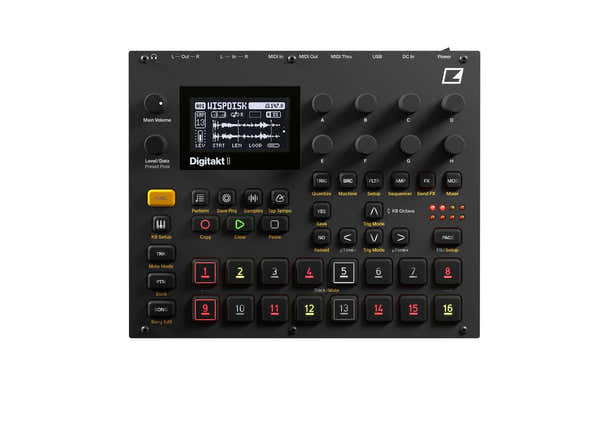
Digitakt II

Korg
ELECTRIBE 2 SAMPLER RD

Arturia
Microfreak

Roland
SP-404 MKII

Roland
Aira Compact P-6 Creative Sampler

Novation
Circuit Tracks

Roland
Aira Compact S-1 Tweak Synth

Roland
Aira Compact T-8 Beat Machine
Elektron
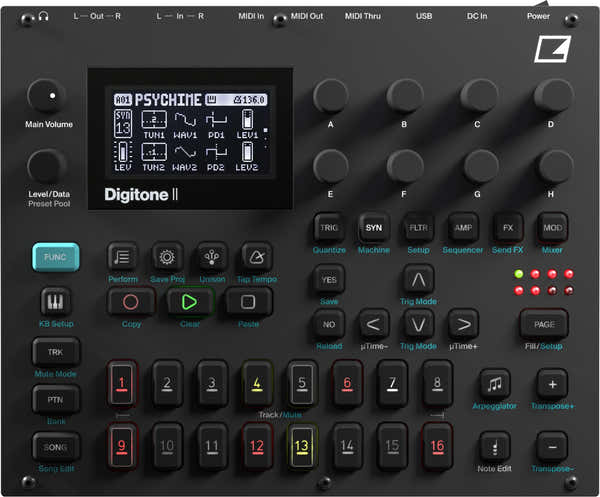
DIGITONE II
Behringer
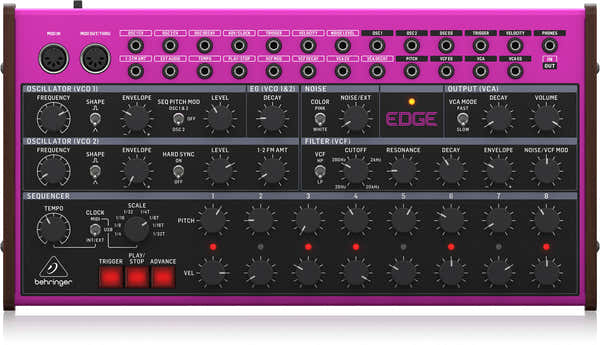
Edge

Native Instruments
Maschine MK3

Elektron
Syntakt
Behringer
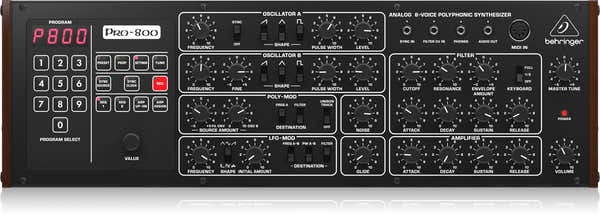
PRO-800
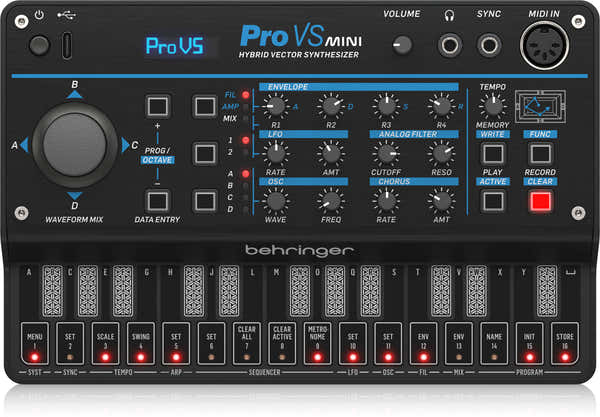
Behringer
Pro VS Mini

Arturia
Minifreak

Roland
TR-8S

Korg
Minilogue XD

Akai Professional
MPC Live III
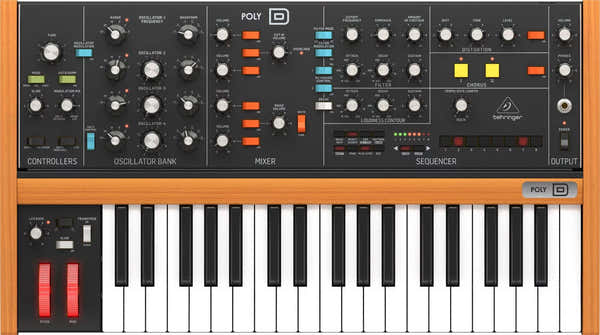
Behringer
Poly D

Arturia
ASTROLAB 37

Elektron
Tonverk

Akai Professional
MPC ONE G2

Yamaha
Reface CP

Teenage Engineering
PO-33 K.O!

Arturia
Microfreak Microphone
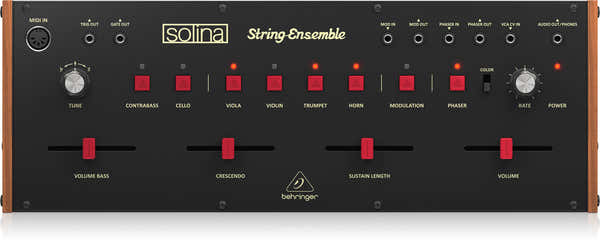
Behringer
Solina String Ensemble

Korg
ELECTRIBE 2 BL
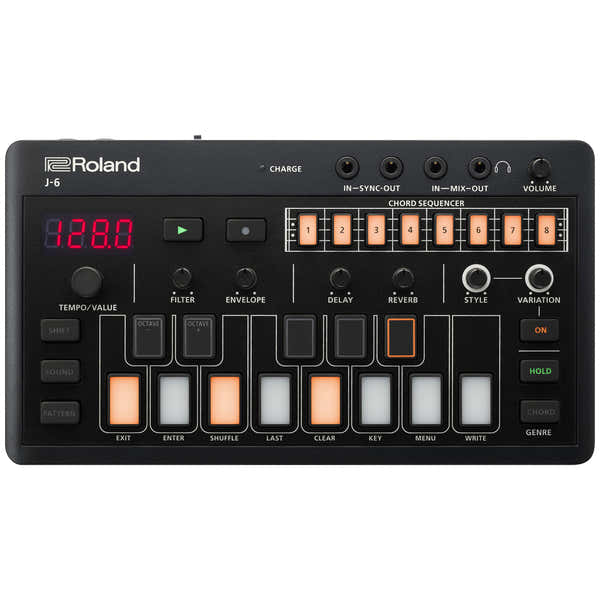
Roland
Aira Compact J-6 Chord Synth

Arturia
Drumbrute Impact

Akai Professional
MPC KEY37 G2

Elektron
Model:cycles

Behringer
RD-9 - Drum Machine

Yamaha
MODX M6

Native Instruments
Maschine Mikro MK3
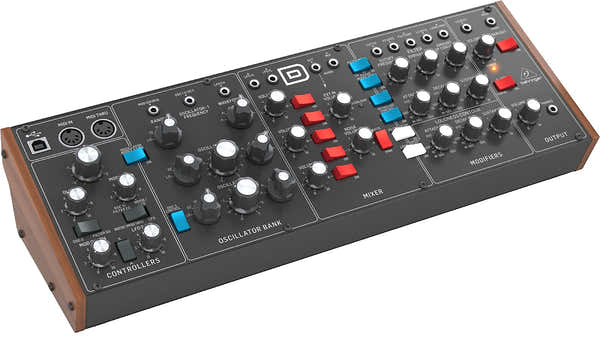
Behringer
Model D
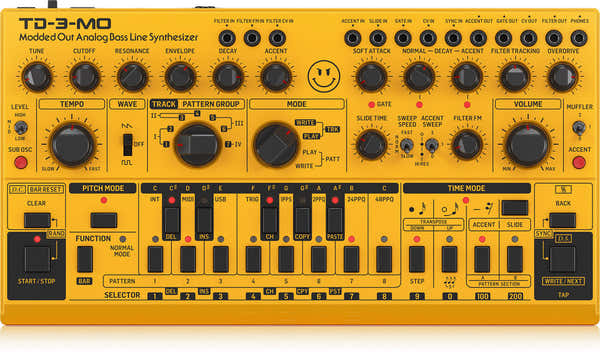
Behringer
TD-3 AM
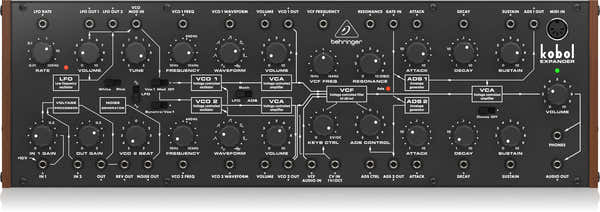
Behringer
Kobol Expander
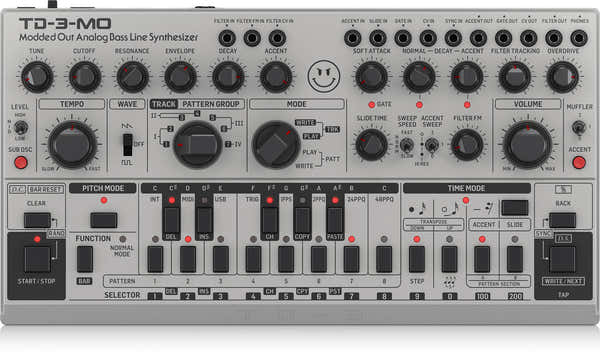
Behringer
TD-3-MO-SR

Yamaha
MODX M8
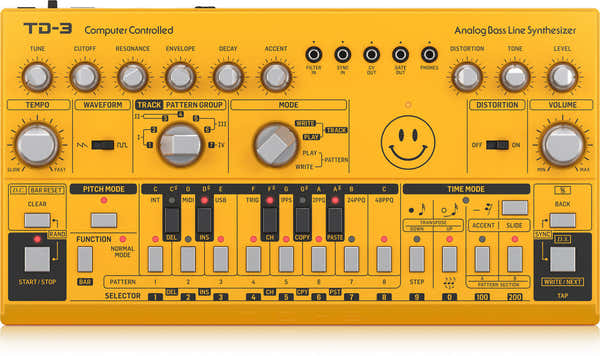
Behringer
TD-3 AM
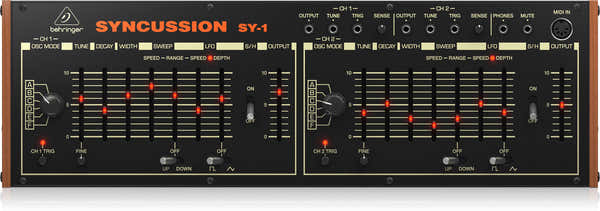
Behringer
Syncussion SY-1

Arturia
ASTROLAB 61 WHITE

Native Instruments
Maschine +
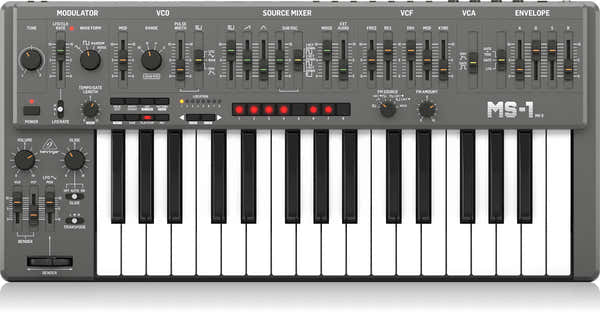
Behringer
MS-1 MKII Grey
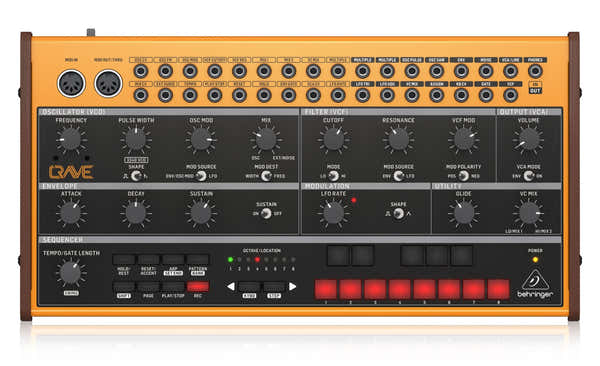
Behringer
Crave
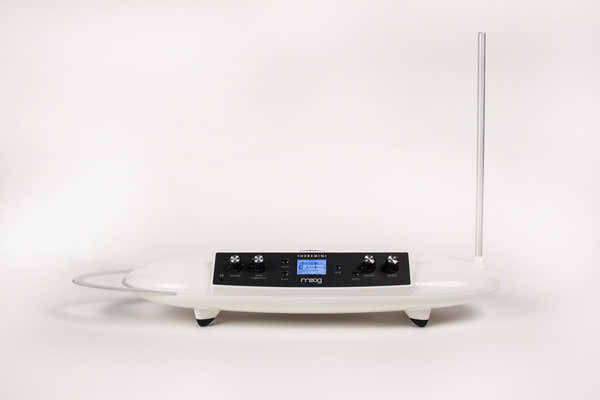
Moog
Theremini
Which synthesiser should you choose to get started?
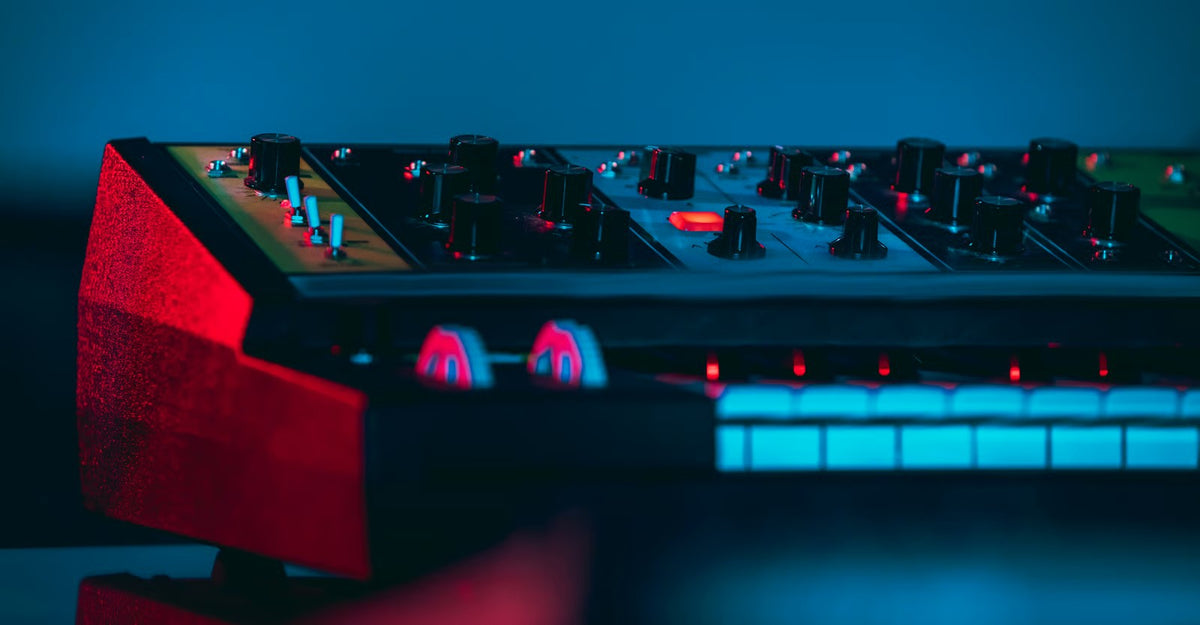
Analogue or digital? When you're starting out, you'll often be advised to choose a digital synthesiser that imitates analogue (known as virtual analogue). For the same budget, it generally plays more notes at once. An analogue synthesiser creates its sound with real circuits, and lots of musicians who make electronic music love its tonal character. Hybrids combine the two. Which sounds better? Ask ten musicians and you'll get ten answers.
Look at the knobs too. One knob for each setting is ideal for learning: you turn it and hear the result straight away. On more compact models, the same knob does several jobs and you have to go into the menus. You feel your way a bit for the first few days, then you get used to it. One last thing: polyphony. On a monophonic synthesiser, only one key sounds at a time. For playing bass, that's more than enough. Want to play chords? Go for a polyphonic synthesiser.
Behringer is by far our best-selling brand in this section. Roland, Korg and Akai Professional follow, and Arturia, Elektron, Yamaha, Moog and Sequential have their fans too. The safest bet is to listen to demos, or better still, try a few out.
Keyboard synthesiser, sound module or workstation?
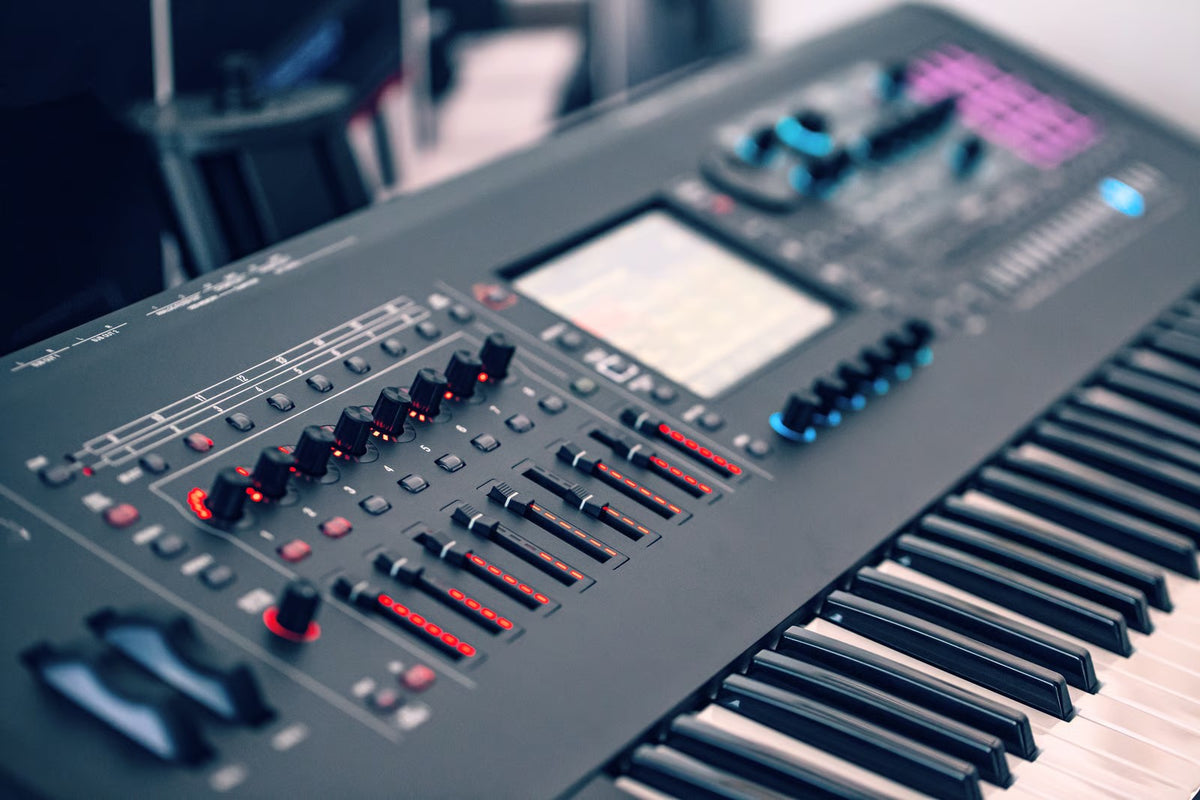
The right choice depends on the gear you already have. A keyboard synthesiser doesn't need anything else: plug in some headphones and play. How many keys? If you already play a bit with both hands, aim for 61. For playing bass and melodies with one hand, 37 keys will do. Already have a keyboard plugged in at home, or do you do everything on a computer? Take a look at sound modules instead. They have no keys, just knobs, and sit beside your computer. To play them, connect a MIDI controller keyboard or a sequencer. Behringer, Korg and Waldorf make plenty of them.
Can you do everything on one machine, without a computer? Yes, with a workstation. It has more sounds than you know what to do with, complete with their effects. Most importantly, its sequencer records your songs track by track. Korg, Roland and Kurzweil offer them. It certainly takes time to get to know one, given everything it can do. But once you've got to grips with it, you can write a whole track on it and connect other machines to it later.
Drum machine, groovebox or sampler: where should you start?

For an electronic music track, you need at least a rhythm part and one or two synth lines. You can buy a machine for each, or a groovebox that does a bit of everything. When you're starting out, it has a big advantage. You get to understand how each part works, and quickly see what's missing for the next step. In fact, drum machines, grooveboxes included, sell almost as well as synthesisers here. Roland, Behringer, Elektron and Korg all have them in their catalogues.
A sampler, on the other hand, plays recorded sounds. Your own, ones from an old record, or those supplied with the machine (and there are often plenty of them). Akai Professional MPC models are among our best sellers, and Roland and Teenage Engineering have their own too. Among the samplers and loopers, you'll find loopers. With these, you record a phrase live, it repeats in a loop and you add another on top. It's what a singer or beatboxer uses when performing alone on stage. A modular synthesiser is something else again. Each module does just one thing, and it's up to you to connect them with cables. You spend hours on it, and that's the fun of it!
What do you need to connect your synthesiser?

With a few exceptions, synthesisers don't have loudspeakers. So to hear yours, you need headphones or speakers. The simplest option for playing at night is a pair of studio headphones, plugged straight into the machine. If other people need to hear you, connect two studio monitors. Even small ones reproduce the synthesiser's bass frequencies properly.
Want to record your tracks on your computer? Use an audio interface, which gets the synthesiser's sound cleanly into your software. Most synthesisers can also connect via USB. To synchronise your synthesiser and drum machine, remember your MIDI cables. A keyboard synthesiser will sit much better on a keyboard stand set to your height. And between sessions, a protective cover (you'll find them among the synthesiser accessories) keeps dust out of the knobs.
Buying your synthesiser from Woodbrass
You judge a synthesiser by turning its knobs. That's what the Woodbrass keyboard and home studio shop is for, at 184 avenue Jean Jaurès in Paris, very close to Porte de Pantin. It has a synthesiser section and a drum machine section, and you can try out the keyboards with a sales adviser beside you. It's open Tuesday to Saturday, from 10.30am to 7pm. For parking, Vinci Park Cité de la Musique is very close by. If you buy in store, we'll refund your first hour.
Live further away? You can reach Woodbrass sales advisers on +33 2 57 88 00 74 every day except Sunday, from 9am to 6pm on weekdays and from 10am to 6pm on Saturdays (Paris time). You can also write to them by email or via chat. Helping you choose between two grooveboxes or find the right MIDI cable is their day-to-day work. Changed your mind once the machine has arrived? Send it back to us within 30 days of delivery.
A fault under warranty? Open an after-sales service request in your customer account, under the relevant order. Describe what's happening, add a video if you can (for sound cutting out or a crackling sound, it's a real help), then track its progress online. Depending on the fault, the machine will be repaired or replaced, or even refunded. Some manufacturers offer a longer warranty, and the product page will say so.
Want to spend a little less? B-Stock machines are tested and come with a 6-month warranty, refurbished ones are checked and come with a 3-year warranty, and there are a few in this section at the moment. Finally, Alma lets you pay in instalments.