 Pay with TWINT



Stage
pianos

Arturia
ASTROLAB 37

Nord
Stage 4 88
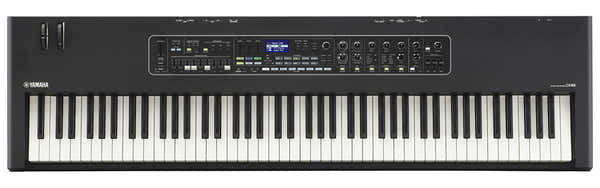
Yamaha
CK88

Korg
D1 Black
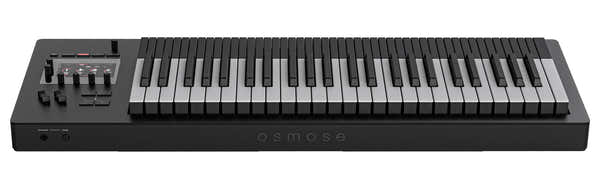
Expressive E
Osmose
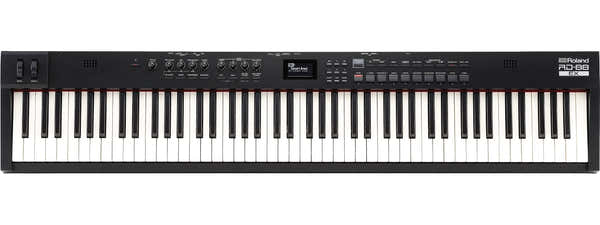
Roland
RD-88 Ex

Korg
SV2S 73

Yamaha
CP88
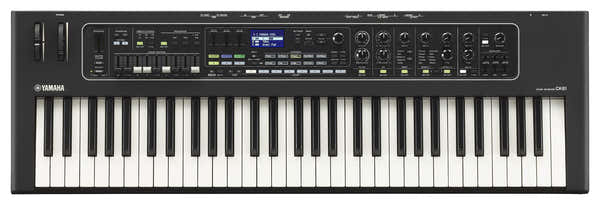
Yamaha
CK61
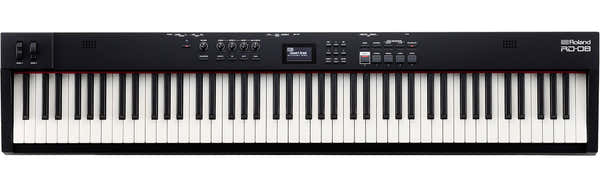
Roland
RD-08

Nord
Stage 4 73

Nord
Stage 4 Compact

Nord
ELECTRO 7 - 73

Korg
RK-100S 2 RED

Roland
AX-edge Keytar BK

Nord
Grand piano 2

Nord
ELECTRO 7 - 61

Korg
SV2S 88
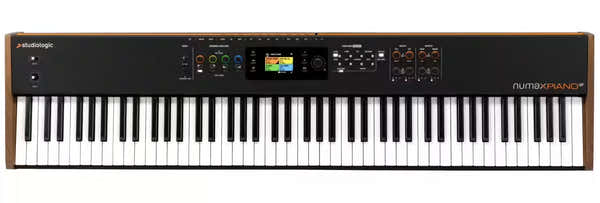
Studiologic
Numa X Piano GT
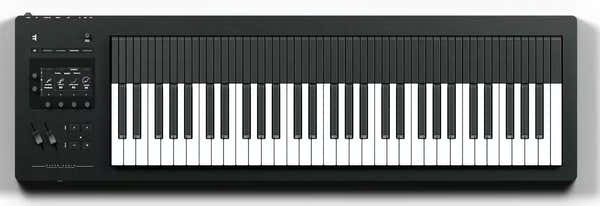
Expressive E
Osmose 61
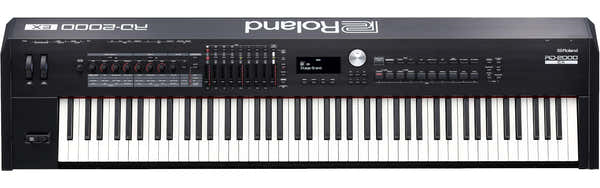
Roland
RD-2000 EX

Korg
Grandstage X
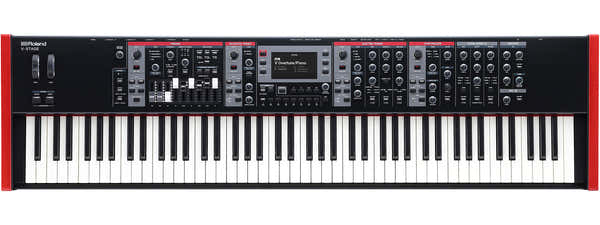
Roland
V-STAGE 88
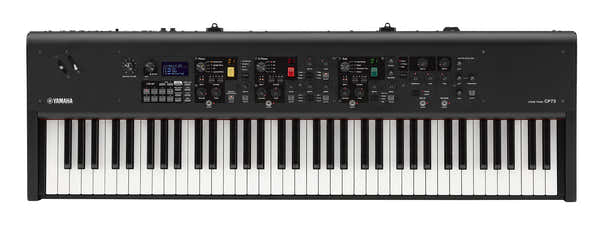
Yamaha
CP73
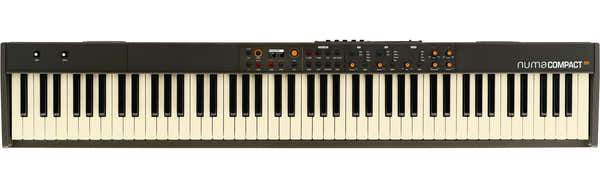
Studiologic
Numa compact SE

Korg
SV2 88

Korg
SV2 73

Nord
Piano 6 88
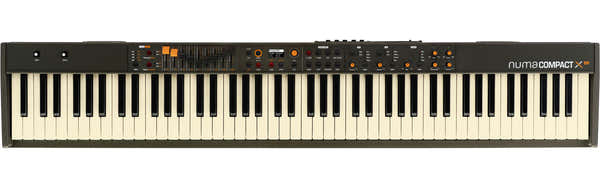
Studiologic
Numa compact X SE

Arturia
Astrolab 61 Silver
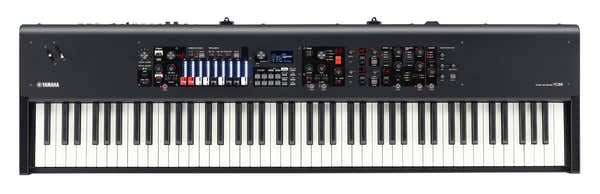
Yamaha
YC88
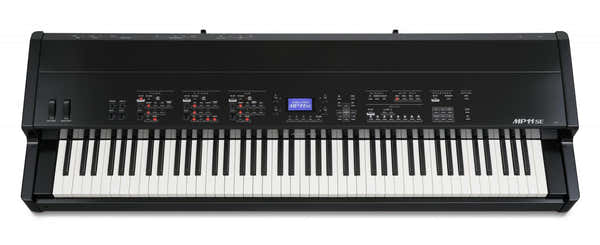
Kawai
MP-11 SE
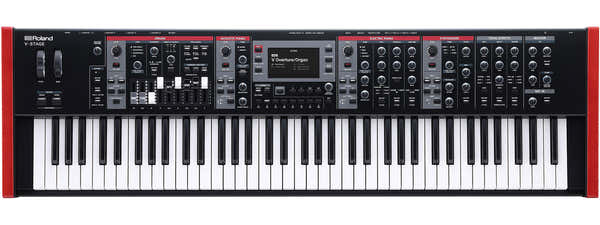
Roland
V-STAGE 76

Arturia
ASTROLAB 88 WHITE
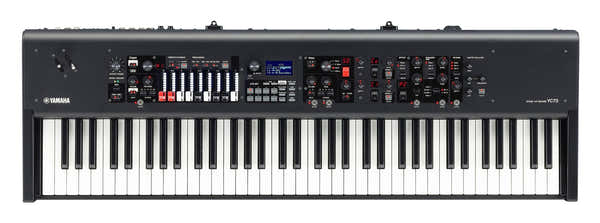
Yamaha
YC73

Nord
ELECTRO 7 - HP
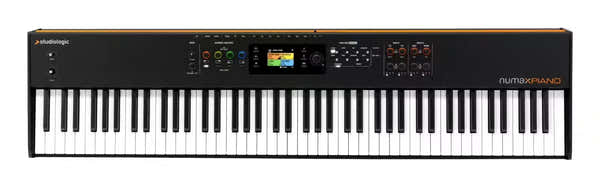
Studiologic
NUMA X PIANO 88
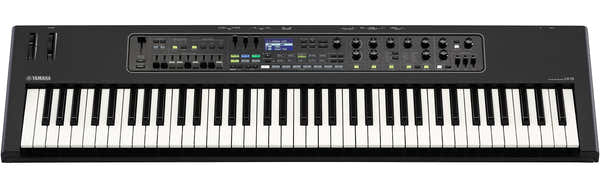
Yamaha
CK76

Nord
Piano 6 73
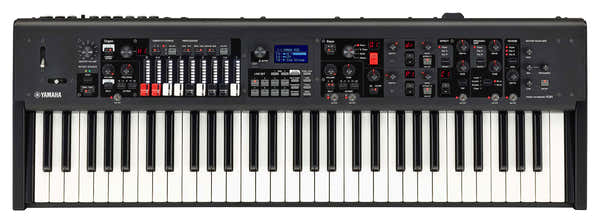
Yamaha
YC61
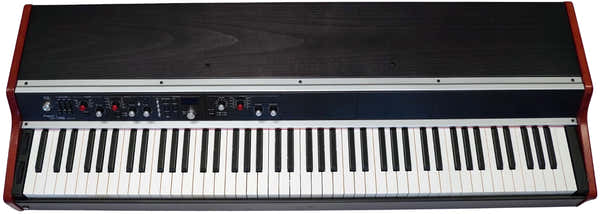
Viscount
LEGEND'70s MK2Artist-W
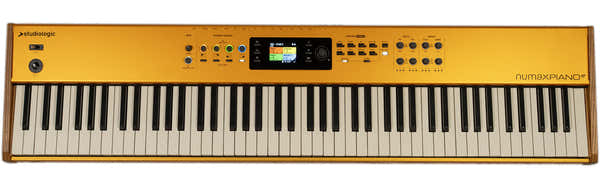
Studiologic
Numa X Piano GT SE
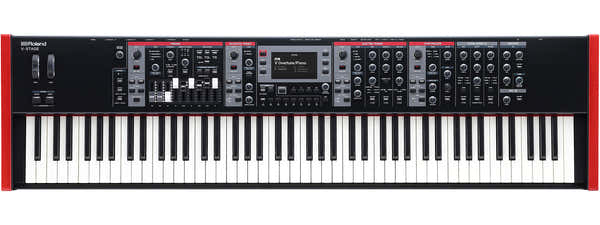
Roland
V-STAGE 88 - Refurbished

Viscount
LEGEND'70s MK2 COMPACT

Viscount
LEGEND '70s Artist

Viscount
LEGEND '70s Compact
Stage piano or versatile stage keyboard?

Before looking at brands, make a list of the sounds you actually play in your band. Do you only play piano, acoustic or electric? Get a stage piano. That's what it's designed for first and foremost, with lovely piano sounds and a keyboard with a key action close to that of an acoustic piano. Do you switch from organ to electric piano, then to a synth pad, all in the same set? Then you need a versatile stage keyboard, with a piano section, an organ section and a synth section, each with its own controls. Three instruments in one. And only one to carry!
On stage, it all happens between songs. You need the next sound straight away, not after turning dials while the drummer waits. When you get your hands on one in the shop, try a split (strings in your left hand, piano in your right) or a layer, two sounds played at the same time. If you can do it in a few seconds without opening the instruction manual, that's a good sign. The vast majority of the models in the range can do it.
As for brands, Nord and Yamaha are neck and neck in our sales. Roland and Korg come next, and you'll also find Studiologic, Kawai and Viscount. Nord has the Stage, Piano and Electro. Yamaha's CP models lean towards piano, and the YC models have drawbars for adjusting the organ. Read the product information carefully. And above all, try them.
Which key action should you choose for the stage?

Coming from piano? Then it's weighted action, no question. Look for the words hammers or weighted keys in the product information. The key offers resistance under your fingers, and your dynamics come through in the sound. Most of the models in the range have it.
Don't confuse semi-weighted action with weighted action. Semi-weighted keys are lighter and return faster. For organ, that's exactly what you're after. Mainly an organist? Go for a waterfall keyboard. The fronts of the keys are straight, with no lip, and you can play glissandos across the whole keyboard without hurting your fingers. Nord's 61- and 73-key Electro models have one, as does Yamaha's smallest YC. Lots of keyboard players find it comfortable for electric piano, too. Want a proper stage organ? The Hammond and Viscount models in the organs section are waiting for you.
88 or 73 keys, and how much weight will you have to carry?

Do you absolutely need 88 keys? For two-handed piano playing, whether classical music or jazz, yes, it's more comfortable. In a band, lots of keyboard players use 73 or 76 keys, and most songs work without any trouble. With 61 keys, you're more in organ and synth territory.
And the weight? If you haven't got a car, it's actually the first question to ask yourself. An 88-key model with hammers often weighs around 20 kg, sometimes more, and a few get down to around 13 kg. There aren't many that feel heavy under your fingers but are light to carry. With 73 semi-weighted keys, you're looking at more like 10 kg, and some 61-key models come in at under 6 kg. Want to move around on stage? Roland and Korg each make a keytar, a keyboard you wear on a strap like a guitar.
Do you need an amp for a stage keyboard?

Yes, almost always. A stage keyboard is designed to be plugged into a PA system, and very few have speakers. A few do (Yamaha's CK models, some versions of Korg's SV2), which is handy for practising at home without plugging anything in. A keyboard amp acts as your own PA system. It handles everything from bass to treble, and often has several inputs (a keyboard player rarely has just one bit of kit to plug in). At rehearsal, that's often enough. On stage, if there are no stage monitors, it's what lets you hear yourself.
For some sounds, stereo makes a big difference. A piano sounds wider, and the organ's rotary speaker effect starts swirling from one loudspeaker to the other. Lots of keyboard players then switch to two PA speakers. Stage keyboards have jack outputs, and some of the models in the range also have XLR outputs to go straight to the mixing desk. No XLR on yours? A DI box does the job. And don't neglect the amp or loudspeakers! A nice piano sound through a loudspeaker that's too small sounds small. Does your drummer hit hard? An in-ear monitoring system helps you hear yourself without turning up the volume.
Which accessories should you get with your stage keyboard?
Is the sustain pedal supplied with the keyboard? Not always, so check the product information. For piano, a big pedal, like the one on an acoustic piano, stays put better under your foot. You'll find them in the keyboard pedals section, along with expression pedals, which let you turn the organ volume up and down with your foot. Just check that your keyboard has the right socket, which is the case for a good third of the range.
As for the stand, get a sturdy one. If a stand wobbles with every chord, you'll feel it throughout the gig! For a second keyboard, the keyboard stands section has double stands and add-on tiers to hold it above the first. A well-padded gig bag too, because your keyboard will get knocked about between the boot and the stage. And put two spare jack cables in the bag with the power supply, because a cable can fail in the middle of a gig.
Buying your stage keyboard at Woodbrass
You can't judge the key action from the product information; everyone has their own tastes. You need to get your hands on it. Woodbrass's keyboard shop, which also covers home studio gear, welcomes you at 184 avenue Jean Jaurès (Paris, 19th arrondissement), near Porte de Pantin. Opening hours? 10.30am to 7pm, except Sundays and Mondays. A sales adviser lets you play the ones you fancy, and you can take your time comparing two or three key actions. The nearest car park is Vinci Park Cité de la Musique. We'll refund your first hour's parking if you buy in the shop.
Don't live nearby? You can reach a sales adviser on +33 2 57 88 00 74 Monday to Saturday, from 9am on weekdays and 10am on Saturdays until 6pm (Paris time). To get in touch in writing, there's live chat or email. Torn between 73 and 88 keys, or not sure what to plug into the mixing desk? Ask them. Disappointed once you've unpacked the keyboard? The returns period is 30 days after delivery.
Has your keyboard stopped working, and is it under warranty? You can request after-sales service in your customer account, through your keyboard order. Describe the fault and attach a photo, or better still a video (you can hear straight away if a key isn't making a sound). After that, you can track progress online. Depending on the fault, your keyboard will be repaired, or else replaced or refunded. Some brands offer a longer warranty on their keyboards; it's noted in the product information.
A refurbished stage keyboard also turns up in the range now and then, checked and under warranty for 3 years. Have a look, you never know. Payment in instalments with Alma is an option too.